Classic Blackjack uses standard decks of 52 cards, typically between 1 and 8 decks, with no jokers. The goal is to have a hand worth more points than the dealer, without exceeding 21. If your hand goes over 21, it’s called a “bust”, and you lose the round.
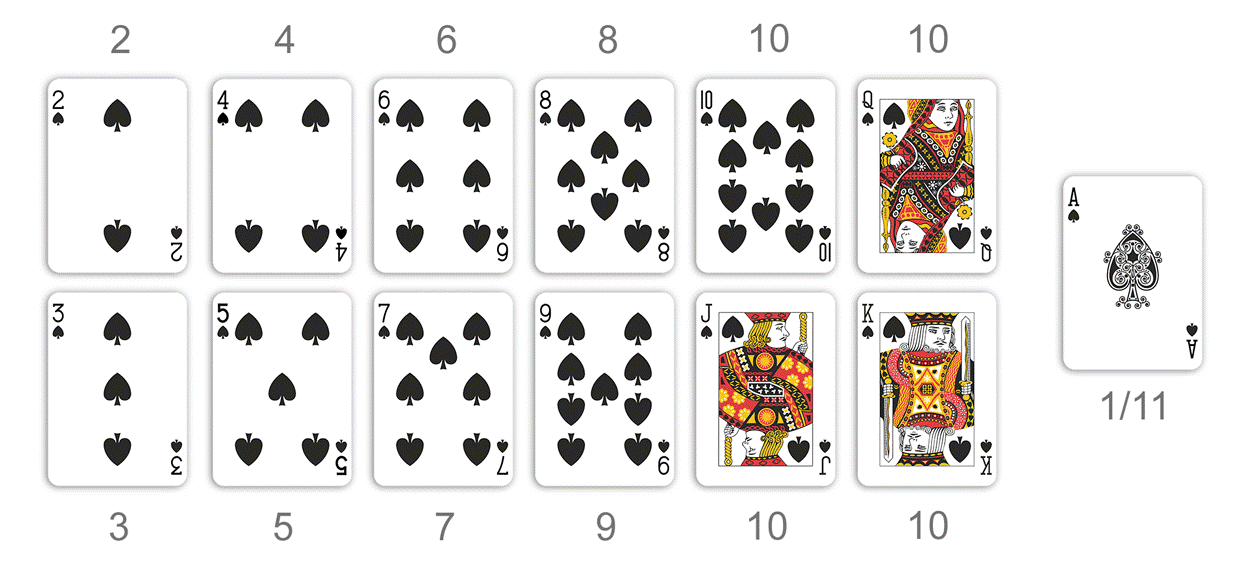
Card Values
How the Round Works
Bet Placement
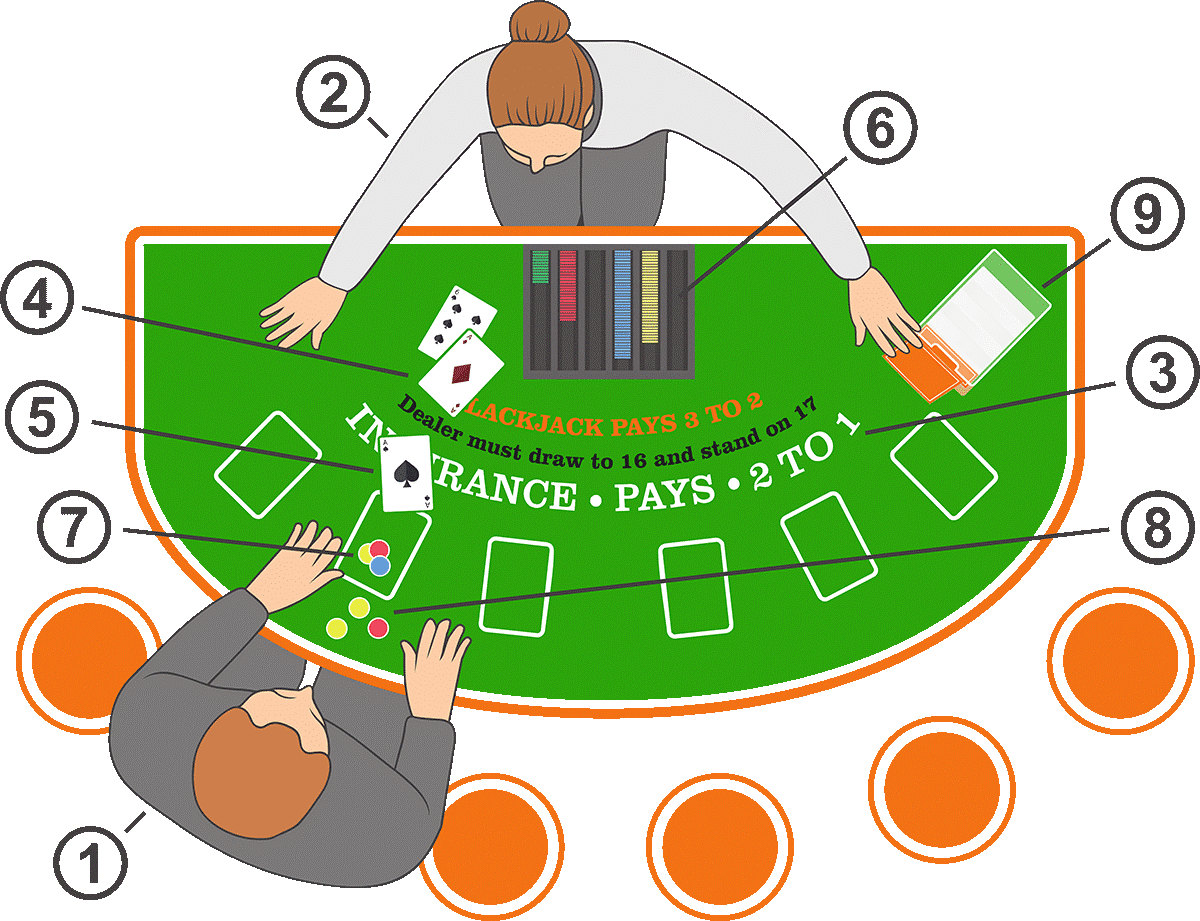
At the start of every round, each player puts their wager into the betting area of the table before any cards are dealt.
Dealing Cards
– The dealer gives two cards face up to each player, one at a time, clockwise around the table.
– The dealer also gets two cards: one face up and the other face down (called the “hole card”).
Checking for Blackjack
– If your first two cards are an Ace and a 10-point card, you have a “natural blackjack”.
– If only the player has blackjack, the dealer pays out right away (with a special payout, usually 3 to 2). If both player and dealer have blackjack, it’s a tie (“push”), and the bet is returned.
Player Actions
– Hit: Take an extra card
– Stand: Keep your current hand
– Double Down: Double the bet and draw one more card (then must stand)
– Split: If dealt two cards of equal value, split into two hands (requires doubling the bet)
– Surrender: If allowed, give up half your bet and end your participation in that round
Dealer’s Turn
Once all players have finished, the dealer reveals their hidden card. The dealer must keep taking cards (“hitting”) until reaching at least 17. They then stop (“stand”) and compare their total to each player’s hand.
Comparing Hands and Payouts
– If the player’s total is closer to 21 than the dealer’s, the player wins and gets paid.
– If the totals are equal, it’s a tie (“push”) and the bet is returned.
– If the dealer exceeds 21, all remaining players win.
– If the dealer is closer to 21, the dealer wins and collects those bets.
Basic Strategies
Gambling is an activity strictly intended for adults. BlackjackClub.org is available only to individuals who are of legal gambling age in their country or jurisdiction of residence. If you are under the minimum legal age required to participate in gambling activities where you live, please do not use this website. We encourage all visitors to gamble responsibly — treat gambling as a form of entertainment, not as a source of income.
BlackjackClub.org provides independent and unbiased information about the online gambling industry for informational and entertainment purposes only. We do not promote or facilitate any illegal gambling activities. It is the sole responsibility of each user to ensure that online gambling is legal in their jurisdiction and that they meet all local age and regulatory requirements.